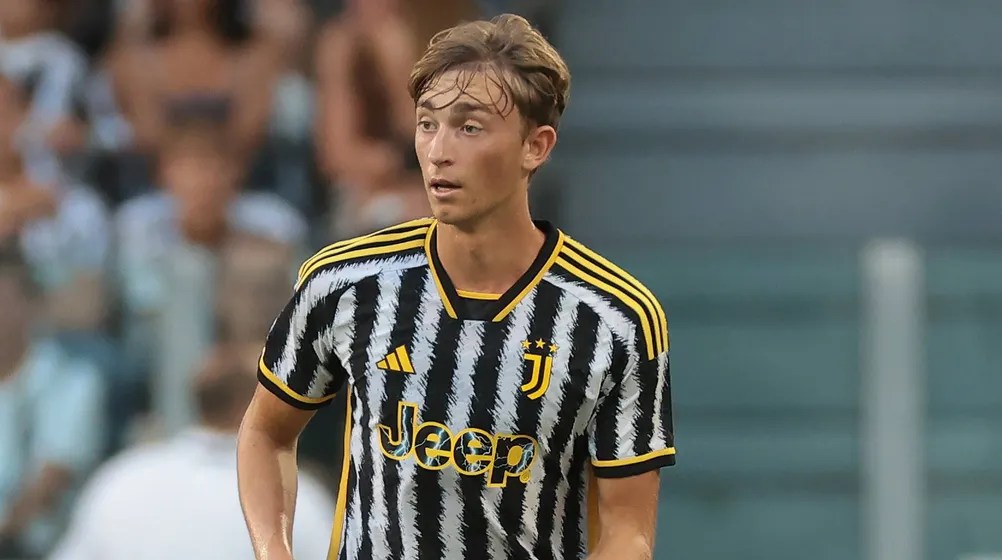
• Fiorentina has always been a team that has a sort of elegance on the pitch. Some of it had to do with their kits without a doubt; however, it was also how they played. Players like Batistuta played in the city for years and showcased how important Fiorentina was to Italian football.
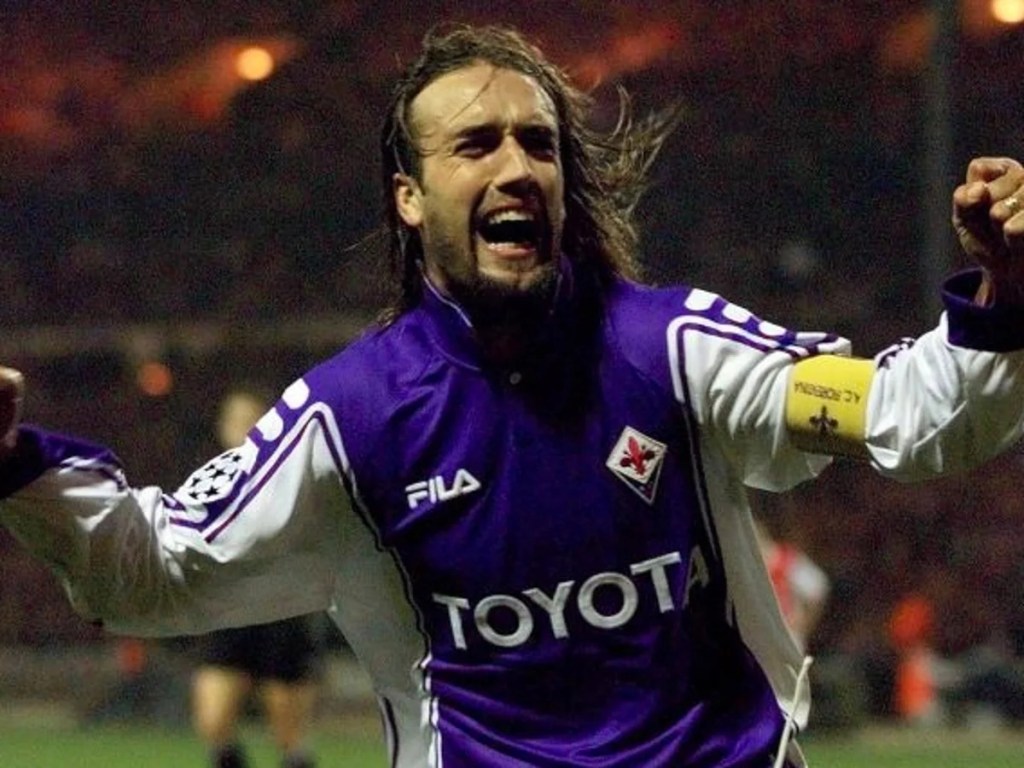
    Argentine striker Gabriel Batistuta

    The Tuscan side has also always given players a chance to really shine and develop. Long ago, Mohamed Salah and Juan Cuadrado played for the club before moving on. Exciting local talents like Federico Chiesa and Federico Bernardeschi also flourished and became big names in Serie A. Nicolò  Fagioli and Cher Ndour are also recruits who they believe can reach the potential set out for them. With all this in mind, Fiorentina really can get back into being a team capable of competing for Europe. Especially with new spots like the Conference League.
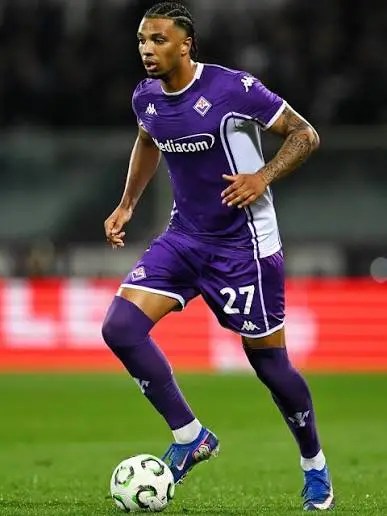
    Cher Ndour

    The 2025-26 season was a huge step back for the club, finishing 15th just a handful of points from relegation. In past seasons, they’ve finished around 8th place, with an impressive 6th place finish the previous season in 2024-25. Another number that stands out is the sharp decline in goals, averaging around 60 goals to scoring a meagre 41 goals in the 25-26 season. Naturally, that would mean the forwards are to blame and to an extent that would be true, but they needed more goals from other departments.

    Rolando Mandragora was their highest goalscoring midfielder with 7, and Cher Ndour had 3, along with Fagioli bagging 2. In total, out of 41 goals, 13 were scored by midfielders, putting them tied for 10th in the league. Teams like Inter Milan, Napoli, and Como had well over 20, with Como getting an impressive 29. Of course, all teams are different, and some clubs have more goalscoring midfielders or attacking midfielders, but it’s fair to say Fiorentina needed more from their midfielders.
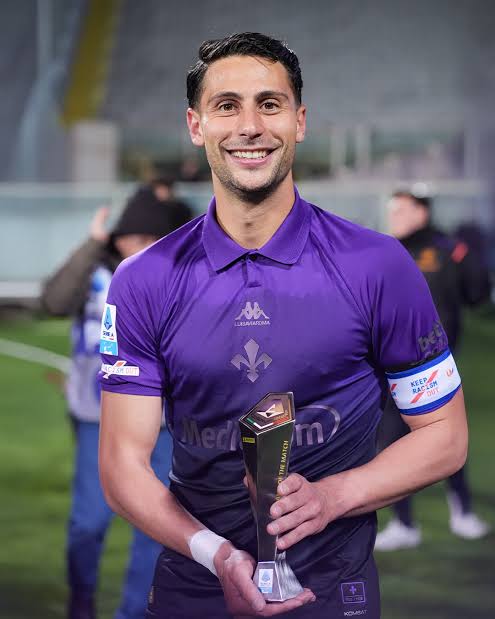
    Rolando Mandragora

    For attackers, it was worse. Fiorentina gave Kean a platform to deliver goals, and for the time he was at the club, he did well, but consistency was always a concern, like it was at Juventus. Fiorentina ranked 13th for forward goals, and the highest scorer was Moise Kean with 8 goals. Next was Gudmundsson with 5, then Roberto Piccoli with 4. That shows that big players like Kean just didn’t produce enough, and Piccoli, a player who had some promise at Empoli and Atalanta, ultimately struggled. Of course, Kean starting would reduce Piccoli to the bench. Bringing in players like Edin Dzeko seemed like a smart move, including an experienced poacher to the front line, but that too failed. Dzeko played in 11 matches for the Tuscans and didn’t score a single goal, and only played 236 minutes. After all that, Fiorentina needed to change their core, and they did just that. Kean, Gudmundsson, Mandragora and Piccoli all left. Kean was definitely a big miss for the club, but they needed to shake up the team, and his time was over.

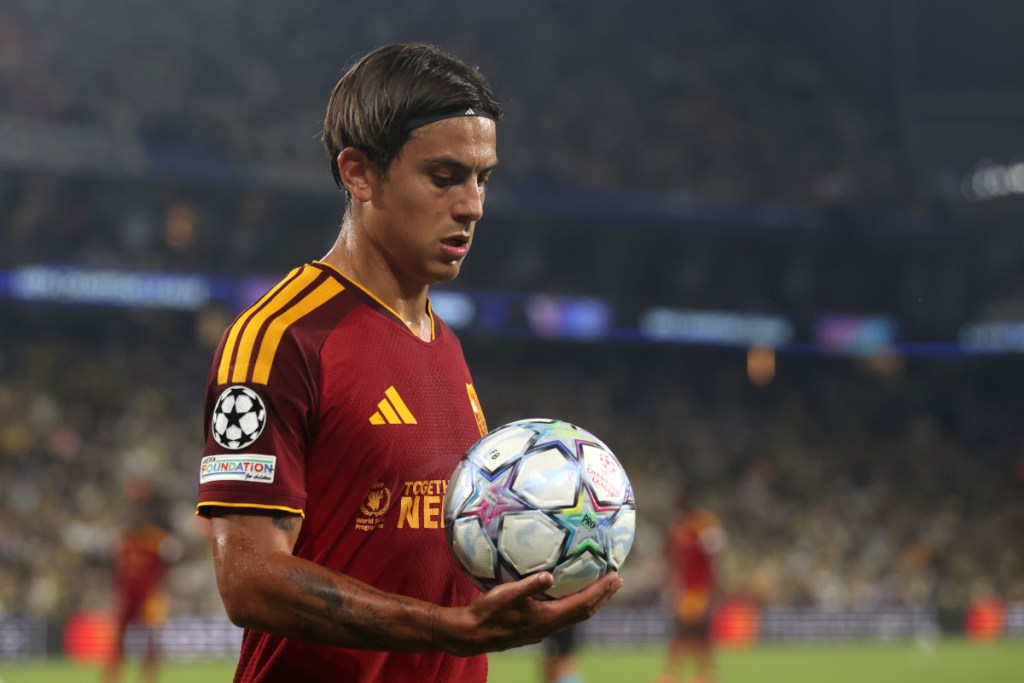
    The summer window of 2026 was a historic one for the Florence side. The Ivorian Christ Inao Oulaï arrived from Trabzonspor, while Arthur Atta added another option in central midfield. Wilfried Gnonto brought youth and pace to the attack, while Franco Mastantuono and Pedro Gonçalves were recruited to provide creativity, goals and the ability to beat opponents one-on-one. Fiorentina clearly tried to address their lack of goals and creativity from midfield, while rebuilding the squad across several positions. The signings showed ambition from the board, but with so many changes, the challenge would be getting the new players to gel and giving the team a clear identity.
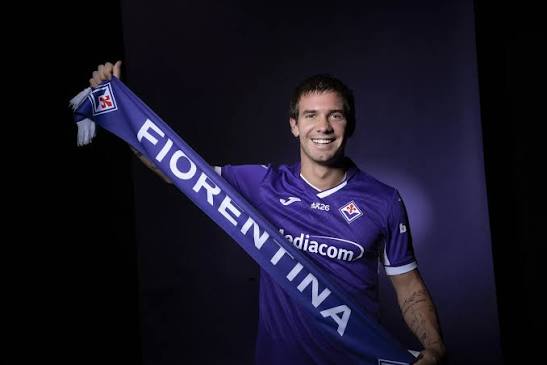
    Loan signing from Real Madrid: Franco Mastantuono

    Fiorentina’s struggles have continued into the new season. Fabio Grosso was brought in to blend the new signings into the team and start getting results, but three consecutive defeats, with just one goal scored and nine conceded, saw him dismissed. Paolo Vanoli returned to the club, but the problems have persisted. After eight league matches, Fiorentina had managed just one win and sat in the relegation zone. David de Gea has continued to provide experience at the back, but the defence has struggled to offer him enough protection. With so many new arrivals, the club needs to find a settled system before the season slips further away.

    Fiorentina has some similarities to Sevilla FC in La Liga. Both are fairly historic teams in their respective divisions, and over the past few years they have both lost their identity and ability to challenge at the top of the table. With the signings Fiorentina have made this past summer, it’s very possible to see them challenging around mid-table this season; for their sake, around 10th would be a step in the right direction. Having newcomers like Como and Bologna makes getting into those European spots even more competitive, so they will need to sign the right players for their manager. The key for Fiorentina is to find their identity and footballing philosophy, and rebuilding their core is a good place to start.
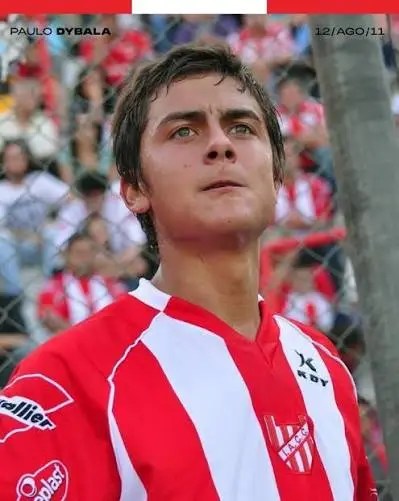
  • Paulo Dybala is hardly a player who needs an introduction if you follow Italian football. He is an incredibly gifted footballer with extraordinary technical ability, close control and vision. His playing style has often drawn comparisons to Lionel Messi, particularly in the way he glides past opponents and creates opportunities in tight spaces. His journey to the top began at Instituto de Córdoba in Argentina, before Palermo brought him to Italy and introduced him to European football.

    Dybala played for his boyhood club, Instituto de Córdoba, where he attracted plenty of attention after scoring 17 goals in 38 appearances during the 2011–12 season. Manager Darío Franco primarily used him as a forward in an attacking 3-4-3 formation, allowing him to move into midfield when needed and drift wide to find space. This remains one of the defining features of his game: finding the areas where he can hurt his opponents most, whether by creating an opportunity for a teammate or finding half a yard to unleash a long-range shot.

    In the summer of 2012, Palermo brought Dybala to Italy. Over the following three seasons, he developed into one of the most exciting young attackers in the league. He formed an excellent attacking partnership with Franco Vázquez, and after an impressive 2014–15 campaign, Juventus came knocking.

    Dybala’s time at Juventus was highly successful. He won five Serie A titles and four Coppa Italia trophies, while reaching the Champions League final in 2017. He became one of the focal points of Juventus’ attack, operating alongside players such as Gonzalo Higuaín, Mario Mandžukić and Álvaro Morata. While Gianluigi Buffon and Giorgio Chiellini helped lead the team defensively, Dybala provided much of the creativity and attacking flair.

    However, the arrival of Cristiano Ronaldo in 2018 changed the attacking dynamic. Juventus signed Ronaldo in the hope that one of the greatest goalscorers in football history could help end their Champions League drought. More of the attack began to revolve around getting Ronaldo into goalscoring positions, and Dybala’s role changed. Combined with recurring injuries and several managerial changes, this made it harder for the Argentine to maintain his earlier influence.

    The statistics illustrate the difference between their roles. Ronaldo scored 101 goals in 133 appearances for Juventus, while Dybala finished his Juventus career with 115 goals in 293 appearances. Ronaldo was naturally the more prolific goalscorer, but Dybala offered more than goals alone. His creativity, movement and ability to link midfield with attack were essential parts of his game.

    In the 2017–18 season, Dybala scored 26 goals in all competitions. During Ronaldo’s first season in Turin, that figure fell to 10, while Ronaldo scored 28. By the end of the 2020–21 season, Ronaldo had won the Serie A Golden Boot with 29 league goals, while Dybala had managed only five goals in all competitions amid fitness problems. Of course, the changing tactical system and frequent changes in management also played a role. Massimiliano Allegri, Maurizio Sarri, Andrea Pirlo and Allegri again all had different approaches, leaving Dybala to adapt to different roles across the final years of his Juventus career.

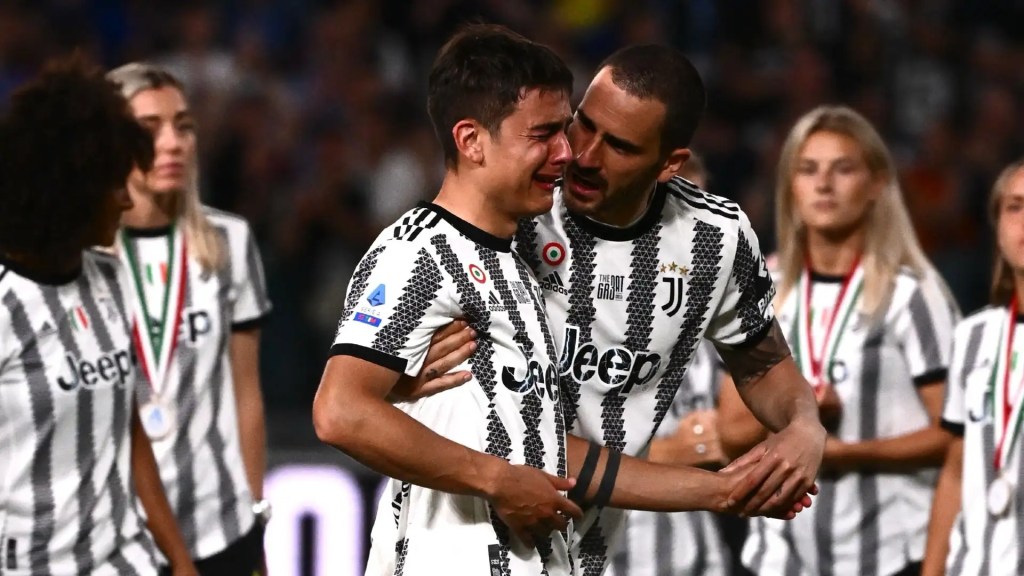
    Ultimately, a combination of recurring injuries, a changing attacking system and disagreements over his contract contributed to Dybala’s departure from Turin in 2022. His emotional farewell showed just how much Juventus had meant to him.

    In July 2022, Roma gave Dybala the opportunity to continue his career in Italy, and he quickly became an important figure in their attack. Later that year, Argentina won the World Cup in Qatar, adding another major achievement to his career. At Roma, Dybala once again became a key creative presence. His positional intelligence allowed him to find space between the lines, draw defenders towards him and create opportunities for teammates such as Tammy Abraham and Lorenzo Pellegrini.

    Under José Mourinho, Roma’s counterattacking approach gave Dybala opportunities to exploit space and attack opposing defences on the break. He scored more than 10 goals in all competitions in each of his first two seasons at the club, but injuries continued to interrupt his progress. Even after finding a system that suited his strengths, staying fit remained a challenge.

    Now 32 years old, Dybala has extended his stay in Rome, with his contract running until June 2027. Despite reported interest from Saudi Arabia, where he could potentially have earned a much higher salary, he chose to remain in Italy and continue his career in the Eternal City. It is another reminder of his connection to Italian football and his desire to keep competing at a high level.

    Dybala is always a privilege to watch. Whether taking on a defender one-on-one, threading a perfectly weighted through ball or curling one of his trademark left-footed shots towards the top corner, he possesses the rare ability to create something out of nothing. His technical ability has never been in question. He also belongs to a rich tradition of Argentine attackers who have left their mark on Italian football, from Mario Kempes and Diego Milito to Gonzalo Higuaín, Carlos Tévez and today’s stars such as Lautaro Martínez.

    It is difficult not to wonder what Dybala’s career might have looked like if he had suffered fewer injuries. His talent has never been in doubt, but consistency and availability have often stood between him and an even greater legacy. Nevertheless, from Palermo to Juventus and now Roma, Dybala has given Italian football countless special moments. His story is not simply one of unfulfilled potential, but of a player whose extraordinary gifts have continued to shine despite the obstacles along the way.

  • Hello World!

    Welcome to WordPress! This is your first post. Edit or delete it to take the first step in your blogging journey.

  • For decades, Juventus have been known for having a strong and reliable defence. Built around legendary figures, their backlines could intimidate forwards and make life miserable for opposing attackers. Giorgio Chiellini, for example, would celebrate a last-ditch tackle or a clearance out of the penalty area as if he had scored a goal himself. Those days of defensive dominance, however, seem increasingly distant.

    When the iconic trio of Andrea Barzagli, Leonardo Bonucci and Chiellini eventually broke up, Juventus struggled to find players capable of carrying on their legacy. Medhi Benatia and Daniele Rugani both played their part, but neither became the long-term solution the club needed. Rugani, in particular, was once viewed as a potential successor to the old guard, yet he never reached the same level of influence.

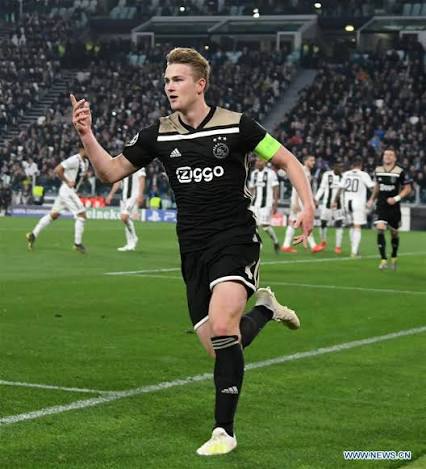
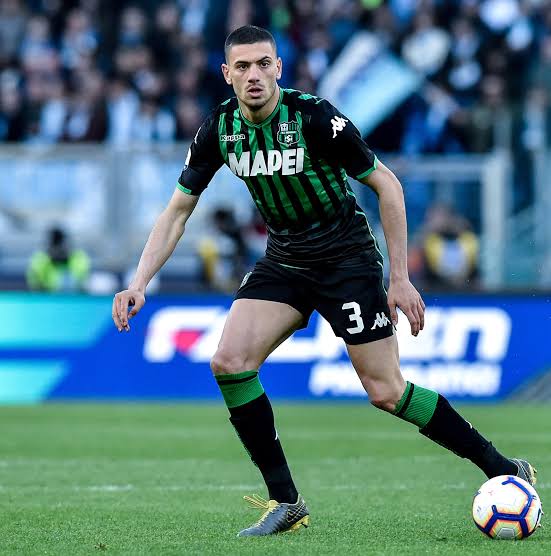
    In 2019, Juventus invested in two promising young centre-backs: Merih Demiral, who had impressed at Sassuolo, and Matthijs de Ligt, who arrived from Ajax. Both signings appeared to represent a sensible long-term plan. They were young defenders with the potential to learn from Juventus’ experienced players before eventually taking their place.

    De Ligt had already made a name for himself in Europe after captaining an exciting Ajax side on its run to the Champions League semi-finals. Juventus spent around €75 million to bring him to Turin, but just three years later, he was sold to Bayern Munich. His departure reflected more than one factor, including the financial considerations surrounding his contract and Bayern’s appeal as a destination. Nevertheless, Juventus lost a defender who was still young enough to form part of their backline for years to come.

    Demiral was another intriguing prospect. After impressing at Sassuolo, the Turkish international joined Juventus in 2019. In 2021, he moved to Atalanta on loan, with an option to buy. Atalanta eventually made the transfer permanent for €20 million, potentially rising with bonuses. Demiral had shown the aggression and determination needed to become a valuable defender, yet Juventus ultimately allowed another promising player to continue his career elsewhere.

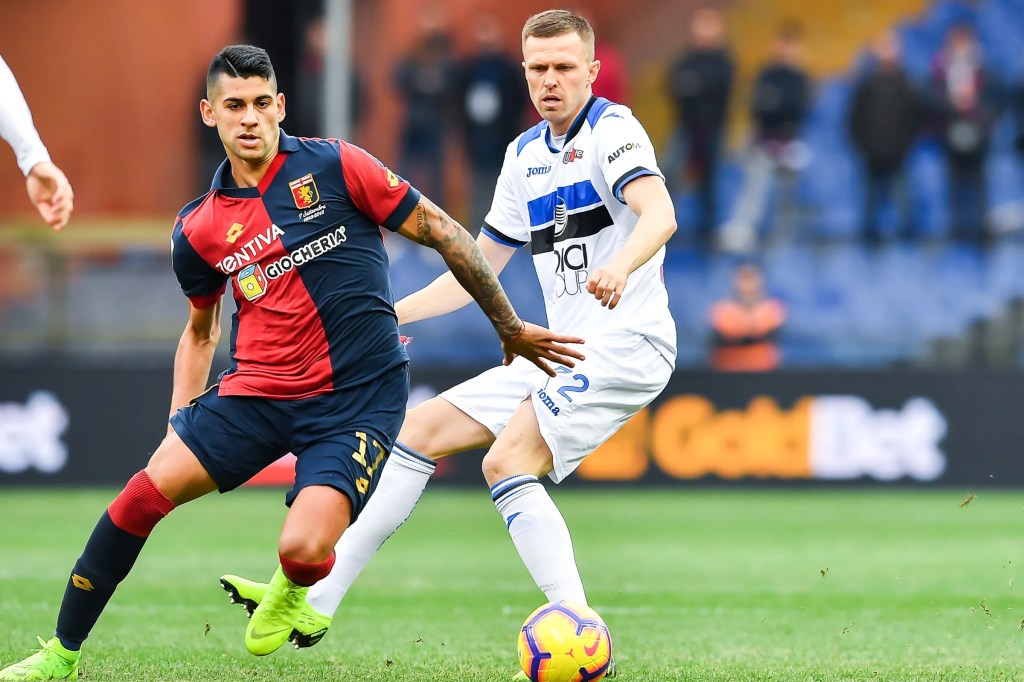
    Cristian Romero is perhaps an even more frustrating example. I remember watching him play for Genoa in 2019. He was aggressive, confident in the air and always willing to compete with opposing forwards. Juventus signed the Argentine that year and initially loaned him back to Genoa, giving him more time to develop.

    However, Romero never established himself in Turin. He joined Atalanta on loan in 2020, and his performances in the 2020–21 season were outstanding. He became one of Serie A’s most impressive defenders and won the league’s Best Defender award. Atalanta then exercised their option to sign him permanently for €16 million. Juventus had identified his potential, but another club ultimately benefited from his development.

    The same questions arose with Dean Huijsen, one of the most promising young defenders to emerge from Juventus’ academy in recent years. After making his first-team debut, he spent part of 2024 on loan at Roma before joining Bournemouth that summer. His performances in England quickly attracted attention, and in 2025, Real Madrid secured his signature after activating his release clause, reportedly worth around €58 million.

    Huijsen’s rapid rise was another reminder of what Juventus might have had if they had managed to retain and develop him. His departure also raises a broader question: are Juventus willing to give their young defenders the time and opportunities they need, or are short-term sporting and financial priorities taking precedence?

    Of course not every transfer is a mistake. It’s easy to see in hindsight the mistakes in the transfer market; however, when these defenders leave and find success elsewhere, it’s difficult to ignore.

    Bringing in a player like Bremer helps address Juventus’ immediate need for quality at the back, but the lack of young defenders ready to step up remains a problem. Recruitment targets like Lucumí and Çelik also raise questions about the club’s current strategy: is Juventus focused too heavily on assembling a team capable of winning now, while neglecting the long-term development it desperately needs?

    A proper long-term strategy is crucial if Juventus wants to return to the top of Italian football. Trying to win immediately with a squad that still has significant weaknesses, without investing enough in the future, is unlikely to deliver lasting success. For a club like Juventus, the challenge is not simply to buy quality defenders from across Europe, but to ensure that the next generation can develop and become the backbone of the club’s defence.